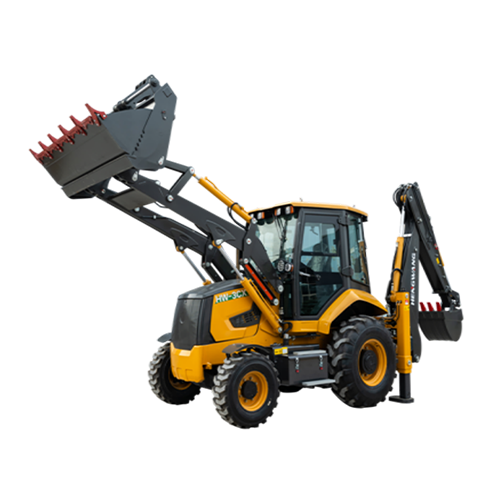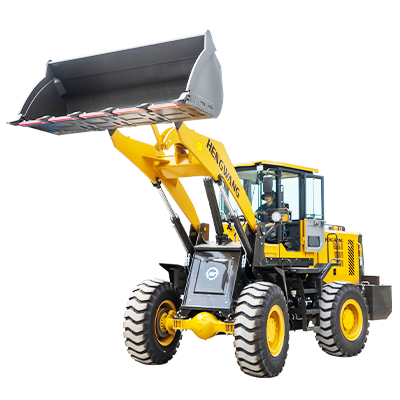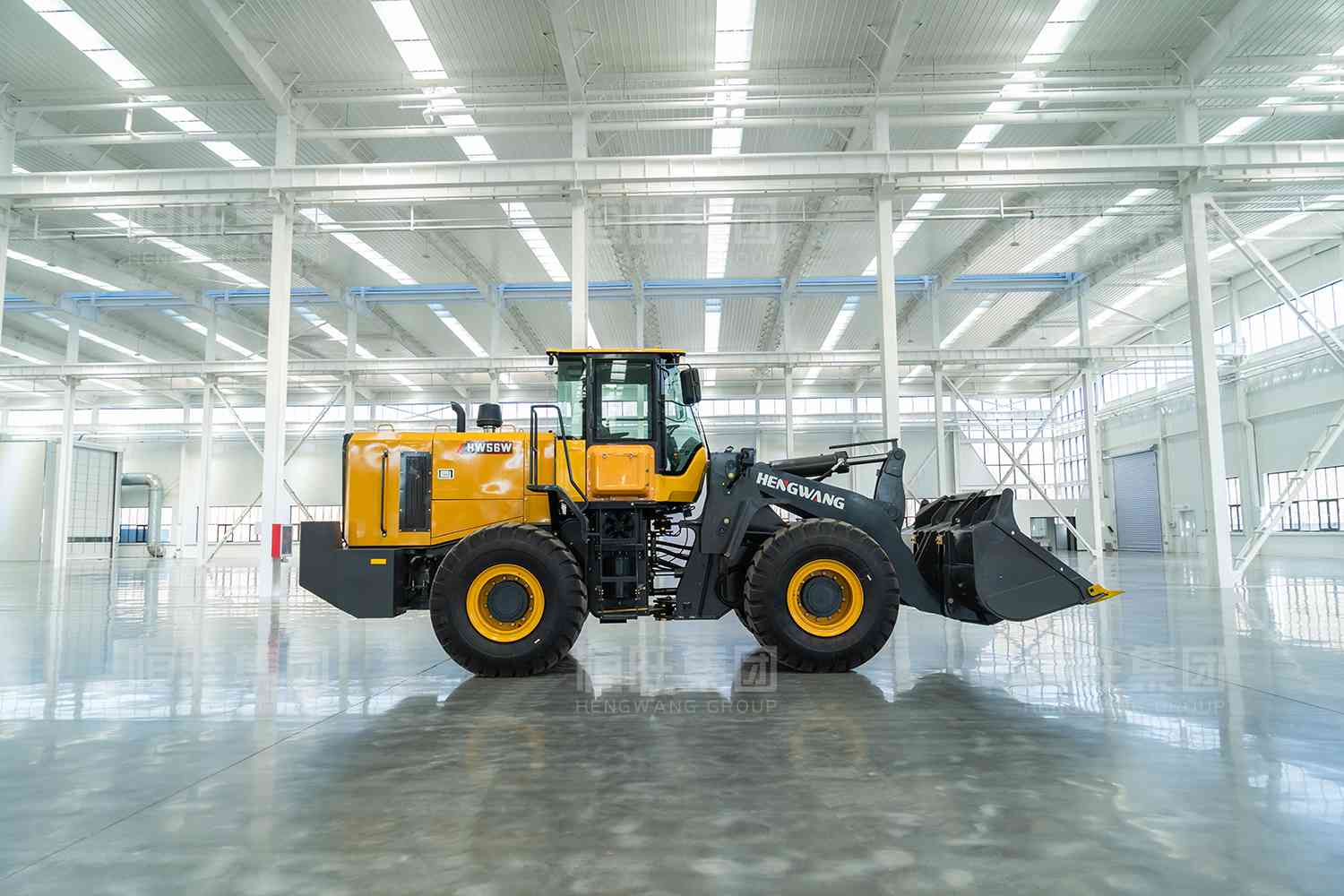
Characteristics of the Break-in Period
New loaders require special attention during initial operation due to imperfect mating surfaces caused by manufacturing and assembly processes. This critical phase significantly impacts equipment longevity.
Four Common Break-in Issues
1. Accelerated Wear
Rough mating surfaces on new components
Metal particles act as abrasives
Avoid full-load operations during this phase
2. Lubrication Issues
Uneven clearance between new parts
Incomplete oil film formation
May cause precision component damage
3. Fastener Loosening
Manufacturing tolerances in new assemblies
Thermal expansion exacerbates loosening
Regular torque checks recommended
4. Fluid Leakage
Imperfect sealing surface mating
Vibration reveals potential leaks
Common oil/water seepage occurrences
Operational Recommendations
Maintain 70-80% of rated workload
Increase lubrication inspection frequency
Daily fastener condition checks
Immediate leak detection and repair
Professional Advice
The break-in period typically covers the first 200 operating hours. Follow manufacturer's lubrication change intervals and maintain detailed operation logs to establish optimal long-term performance.
Proper break-in management extends loader service life, enhances reliability, and reduces maintenance costs. Preventive measures prove more effective than post-failure repairs.